
Loan rejections can feel discouraging, especially when you urgently need funds. But a rejection doesn’t mean the end of the road—it’s often a chance to reassess your financial profile and make improvements. Here’s my personal journey of how I turned an initial rejection into a successful personal loan approval.
The First Attempt: What Went Wrong
Like many, I thought having a stable income was enough to qualify for a personal loan. I applied through a leading bank, only to get rejected within days.
The First Attempt: What Went Wrong
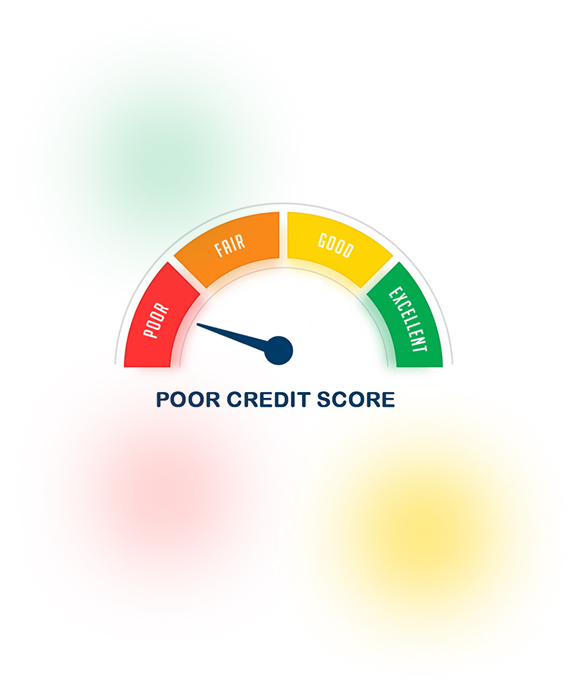
- Low Credit Score: My score was below 650 due to delayed credit card payments.
- High Credit Utilisation: I was using more than 70% of my credit limit.
- Multiple Loan Applications:In my urgency, I had applied to several lenders at once, which made me look credit-hungry.
This was a wake-up call. I realised lenders consider much more than income—they rely heavily on credit bureau reports to assess risk.
The Turnaround: Steps I Took
Instead of giving up, I took deliberate steps to rebuild my financial profile before reapplying.
1. Improving My Credit Score
I started paying credit card bills and EMIs on or before the due date. I also reduced my credit utilisation to below 30%, which gradually improved my score.
2. Clearing Outstanding Debts
I made lump-sum payments toward my smaller debts. This lowered my total outstanding balance and signalled better repayment capacity to lenders.
3. Avoiding Multiple Inquiries
This time, I researched lenders carefully and applied only to one institution that matched my profile. This helped avoid multiple hard inquiries that could lower my score.
4. Adding a Co-Applicant
To strengthen my application, I applied jointly with a family member who had a higher credit score. This improved my approval chances significantly.
5. Providing Complete Documentation
In my first attempt, I had overlooked some minor paperwork. The second time, I ensured my income proof, bank statements, and ID documents were accurate and up-to-date.
The Outcome: Loan Approved
Within three months of my initial rejection, I reapplied. This time, my credit score had improved, my debt was under control, and my application looked stronger. The lender approved my personal loan with a reasonable interest rate and a repayment tenure that suited me.
Lessons Learned
My experience taught me that loan rejection isn’t the end—it’s feedback. Lenders aren’t against you; they’re simply protecting themselves from risk. If you address the issues highlighted in your credit report and approach the right lender with the right profile, approval becomes much easier.
Conclusion
Getting rejected for a personal loan can be frustrating, but it’s not permanent. By understanding why your application was denied and taking corrective action, you can turn things around. In my case, improving my credit score, reducing debt, and applying strategically made all the difference. If you’re facing a similar situation, see rejection as an opportunity to rebuild—and you might just get the approval you were aiming for.