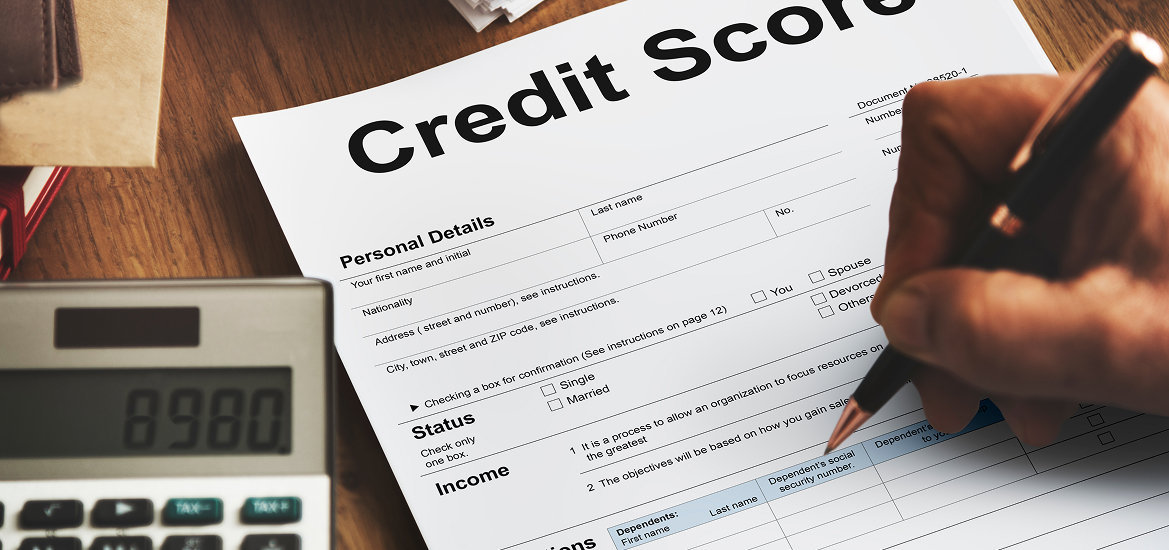

People with high incomes often face loan rejections. The three credit report mistakes you must avoid include certain overlooked issues. Many borrowers think a high salary means quick loan approval. Income plays a big role. Lenders focus more on credit behavior and history. Even professionals like doctors or engineers get turned down. They miss hidden problems in their reports. Things like small settlements or joint loan defaults show up. Old debts reported wrong cause trouble, too. Discipline matters more than income in the end.
Why High Income Alone Doesn’t Guarantee Loan Approval
- Lenders put credit behavior first. They look at debt repayment history over current income. A high salary helps. A record of missed payments or defaults looks risky, though. Someone with average pay and perfect repayments seems safer. Income and assets stay off credit bureau reports. They do not touch your credit score directly. The score shows credit discipline instead. It covers payment history and credit utilization. Diversity in credit accounts counts as well.
- Closing old unused credit cards sometimes hurts your score. It shortens your credit history. Available credit drops, too. That raises your utilization ratio. Utilization compares debt to credit limits. A low score under 650 makes loans harder to get. Denial is not automatic, though. Lenders check job stability and employer profile. They look at to income ratio too. Approval might come with higher rates or smaller amounts.
- Checking your own credit report counts as a soft inquiry. It leaves no bad mark on your score. Monitoring reports regularly keeps finances healthy. That habit pays off over time.
Quick Checklist to Avoid Rejection Again
You can avoid rejection with this quick checklist.
- Make sure your credit score tops 750 before you apply. Go over your credit report closely. Fix errors, settlements, and old info right away.
- Clear small debts to lower your loan load. Keep credit utilization under thirty percent if possible. Stick with stable banking habits. Avoid big, sudden withdrawals.
- Maintain a positive balance for three to six months straight.
- Apply to just one lender at a time. That prevents too many hard inquiries.
- Double-check all documents. Income proofs like ITR and bank statements must match your application exactly. Keep them current, too.
Conclusion
A high salary gives repayment power. A clean credit report matters more for easy approvals, though. Your credit file proves financial reliability. It beats income on its own. Stay proactive about it. Monitor reports for errors all the time. Fix discrepancies as soon as they appear. Show strong credit behavior consistently. That leads to better terms on future loans.